odeon cinema
odeon cinema
Court Ash
The eponymous 'Odeon Style' design employed by Oscar Deutsch (1893-1941), for Yeovil's Odeon Cinema was designed by Budge Reid working out of the Harry Weedon Partnership office. Reid was a key figure behind the signature look of the Odeon Theatres, which came to define British modernist cinema architecture. Construction was supervised, like the majority of Odeon Cinemas, by Birmingham architect Harry Weedon. The design of the new cinema used signature cream faience tiles and brickwork to create a towering Deco-based edifice. Renowned 'thirties cinema interior designers Mollo & Egan were responsible for the design of the interior and auditorium.
The cinema was built on the site of Court Ash House, on the corner of Court Ash and Court Ash Terrace, constructed by Bird Brothers of Yeovil and opened on 10 May 1937. The building could seat 1,580 patrons with 978 accommodated on the ground floor. It was in opposition to the Gaumont Palace cinema that had opened in Yeovil in 1935. The first film to be shown in the Odeon was George Formby's "Keep Your Seats Please".
Externally, the overall design featured contrasting strong vertical and horizontal lines, curved corners, the distinctive combination of warm brown brickwork and contrasting cream-coloured glazed faience tiles on the facades. The imposing central tower was originally surmounted by a vertical fin displaying the bold, backlit red ODEON lettering. The fin was lost during a storm in the early 1960s and was never replaced.
Internally, the design again featured contrasting strong vertical and horizontal lines, curved corners and the use of neon lights. The contemporary interior decor made Deutsch's houses stand out from their rivals.
Above the proscenium arch, the ceiling was covered with a honeycomb of small, circular plaster plates - originally painted gold and lit by a concealed three-colour Holophane lighting system. Additionally, troughs containing concealed Holophane lighting were installed in the ceiling. It is thought this lighting system was the prototype design for the Odeon, Leicester Square. As with all of Oscar Deutsch's Odeon cinemas, the sound system was by British Thomas Houston.
In 1963 the cinema was robbed by Ronnie Biggs in order to part-fund the Great Train Robbery.
Around 1972, the Rank Organisation sold the Odeon to the Classic Cinemas chain, who re-named it the Classic Cinema. In November 1967, Classic Cinemas had purchased the former Gaumont Cinema in Yeovil, and that had been renamed Classic Cinema. When the Odeon was taken over, the Classic name was transferred from the Gaumont/Classic to the Odeon, and the Gaumont/Classic became the Vogue Bingo Club.
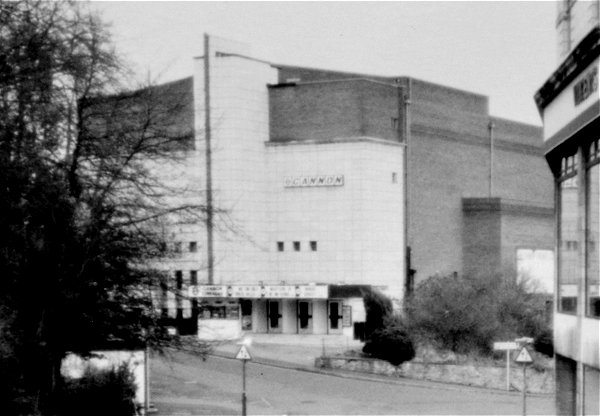
The Classic Cinema was altered internally in November 1972 into a three-screen cinema - with 600 seats in the former circle screen and two 400-seat screens in the earler stalls area. During the 1980’s it was taken over by the Cannon Group and re-named Cannon. Later, it was bought by MGM, and then briefly by the Virgin Cinemas chain. On 2 May 1996 it was taken over by the ABC chain, and re-named ABC. The ABC closed on Easter Sunday, April 2002, when the new 10-screen Cineworld multiplex opened in Yeovil.
The former Odeon was converted into ‘The Old Cinema Bed & Sofa Store’ which opened in January 2004 and remained until February 2015. In August 2015, it became a charity shop for St Margaret’s Hospice and the former circle foyer was converted into a café.
Today, the
building remains
externally as
built in 1937,
though lacking
the original
tower fin and
signage. Almost
all of the
internal
decoration has
been retained.
gallery

The demolition of Court Ash House in a photograph of 1936, clearing the way for the new cinema.
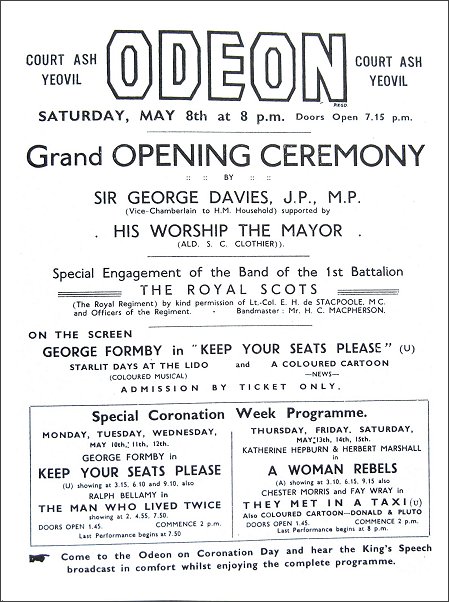
The opening programme of the Odeon cinema on 8 May 1937.
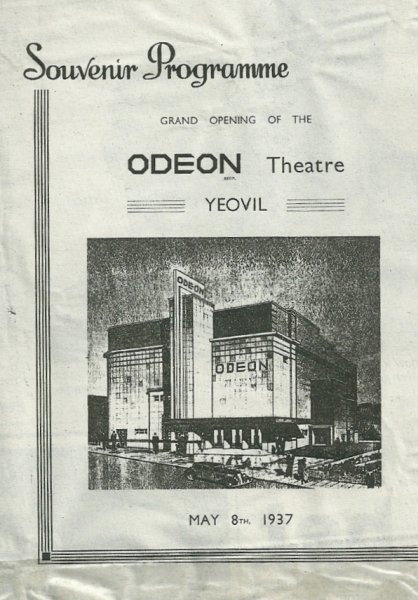
The cover of the opening night souvenir programme.
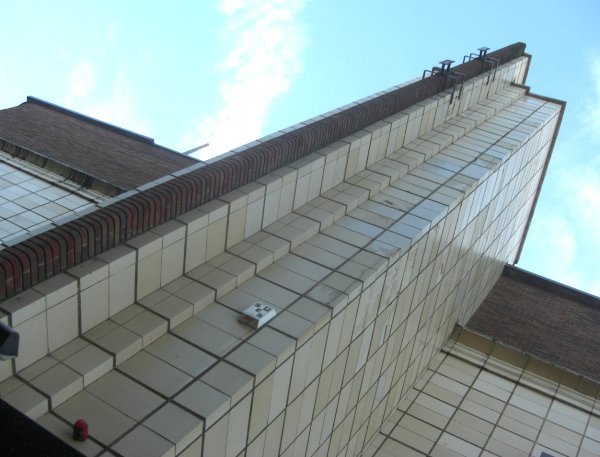
The famous Odeon tower, photographed in 2014. The original fin that surmounted the tower (see next photo), was lost during a storm in the 1960s.
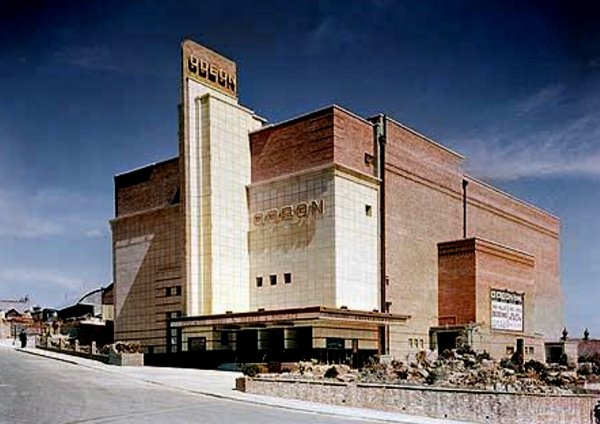
The new Odeon cinema, in a photograph of 1937, complete with the fin on top of the tower.
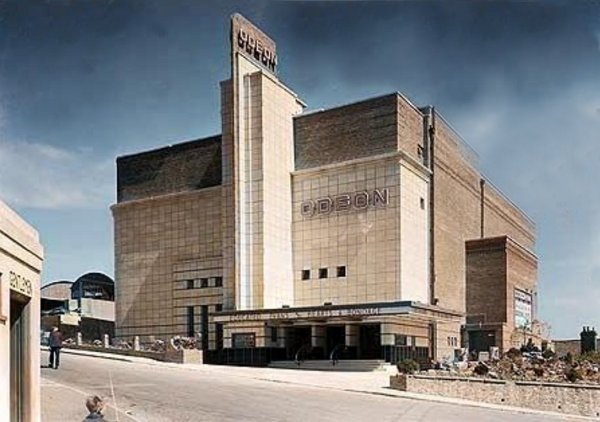
... and another 1937 photograph of the cinema from a slightly different angle and including a glimpse, at bottom left, of the public lavatories in Court Ash. This photograph is by John Maltby who specialised in photographing cinemas, especially those in the Odeon chain, during the 1930s.
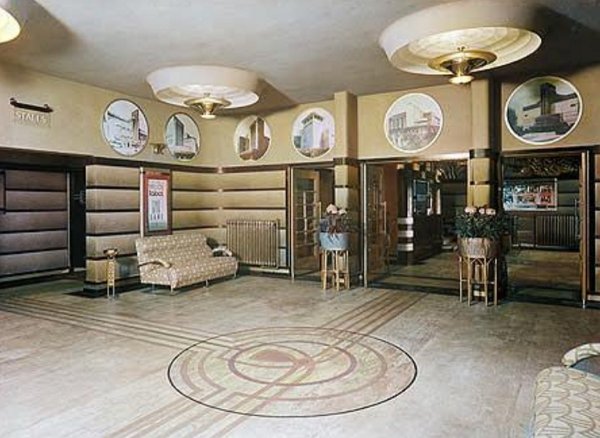
The Art Deco foyer, in a photograph of 1937.
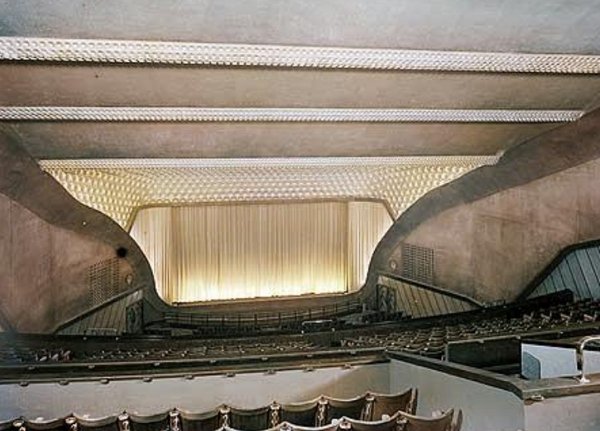
The auditorium, in a photograph from the circle in 1937.
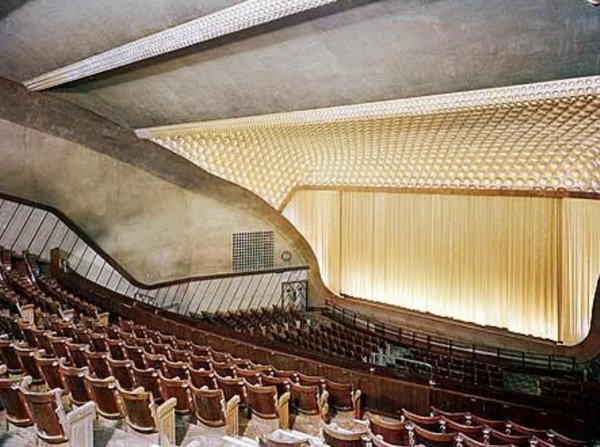
Another 1937 view of the auditorium from the circle.
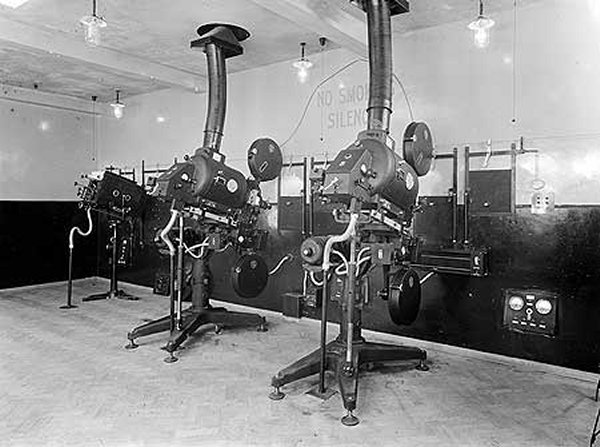
The projection room, photographed in 1937.
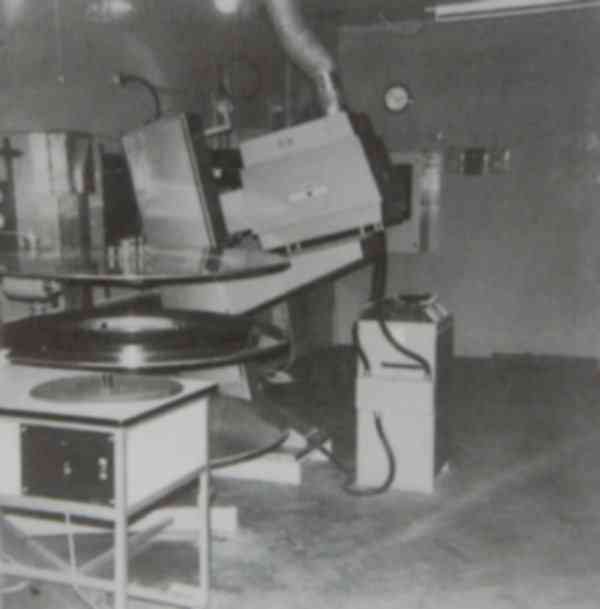
The more modern main projector in the upper auditorium, photographed in the 1960s.
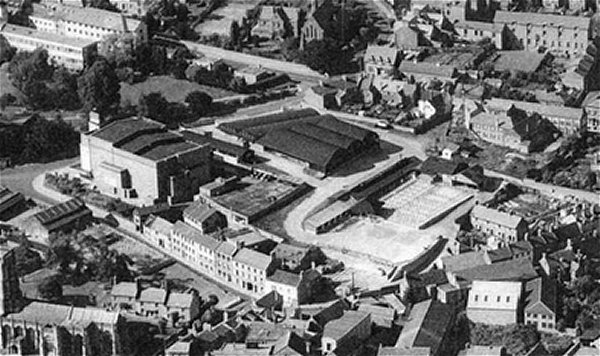
An aerial photograph of 1953 showing the Odeon at centre left and the cattle market at centre.
Courtesy of
Derek Sherry
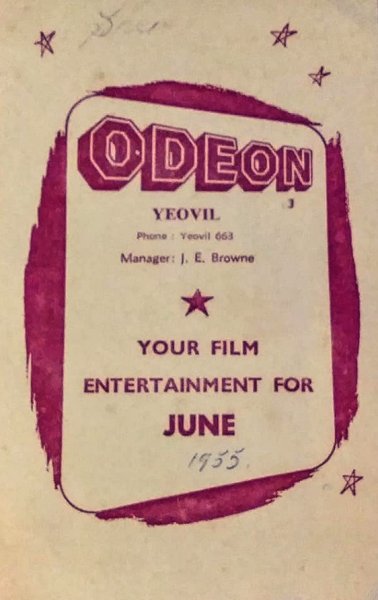
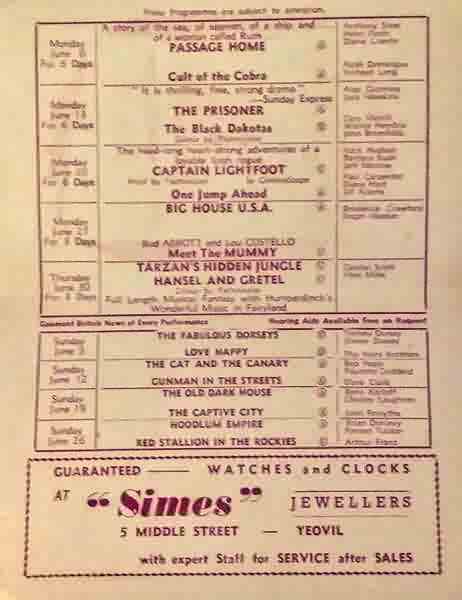
The front of a monthly list of film showings from 1955.
Courtesy of
Derek Sherry
.... and the films being shown at the Central Cinema in June 1955.
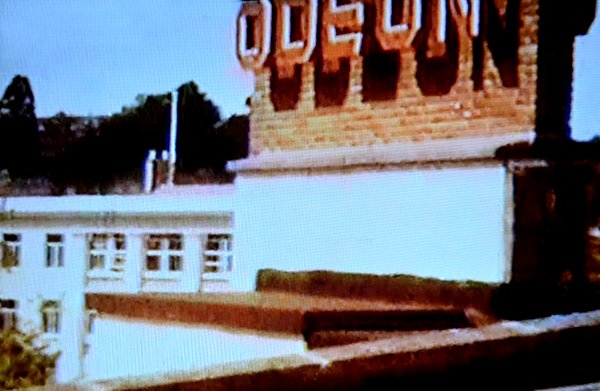
A still from a home movie of around 1962 taken from the top of the Odeon Cinema and showing the Odeon 'fin' that was lost during a storm in the early 1960s and was never replaced. Since the 'fin' was constructed in brickwork that looks about 18" thick, it probably came down with a bit of a bang. In the background at left is the old hospital.
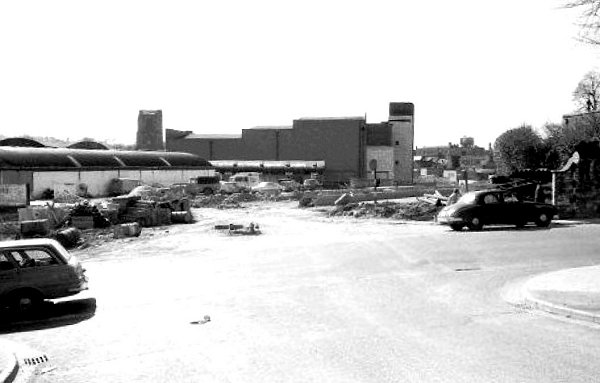
An unusual early-1960's view of the Odeon seen from where Court Ash joined Reckleford.
Courtesy of
Chris Rendell
Photographed in 1985 when part of the Cannon Group. Note the lack of the 'fin'.
Courtesy of Jack
Sweet
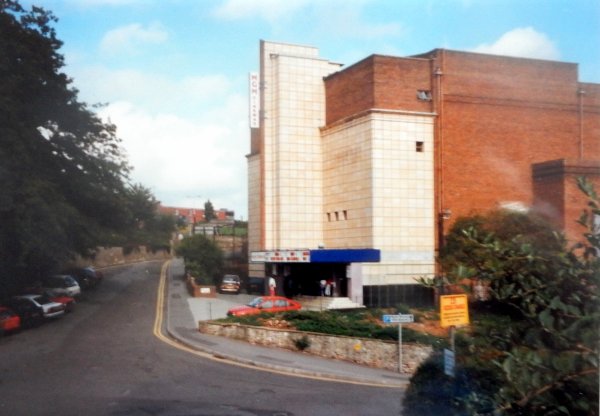
The Odeon in its guise as the MGM Cinema in 1993.
Courtesy of
Vivien and John
Cornelius
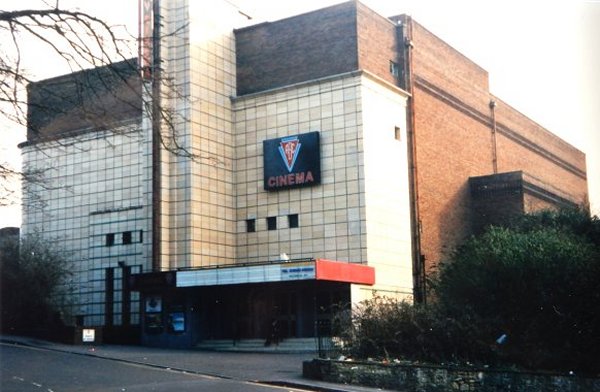
Photographed in 2002 when, as part of the ABC Cinema Group, the Odeon had been closed for almost a year
Courtesy of
Vivien and John
Cornelius
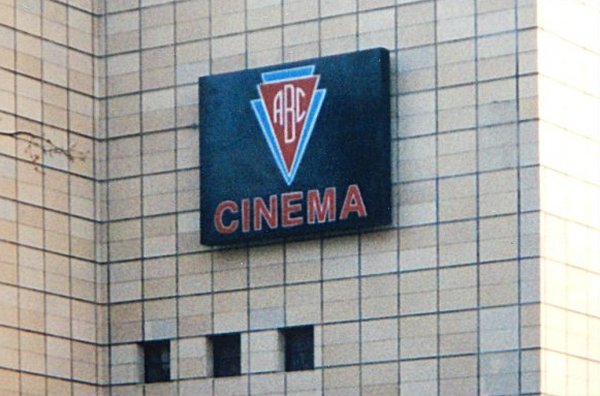
A close-up of the ABC logo. Photographed in 2002.
Courtesy of
Vivien and John
Cornelius
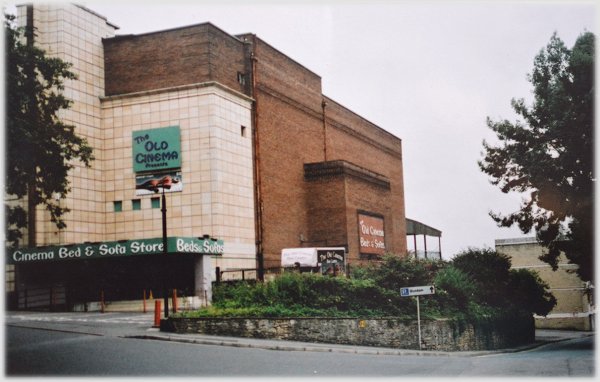
As the 'Old Cinema' bed and sofa store, photographed in 2009.
Courtesy of
Steve Wills
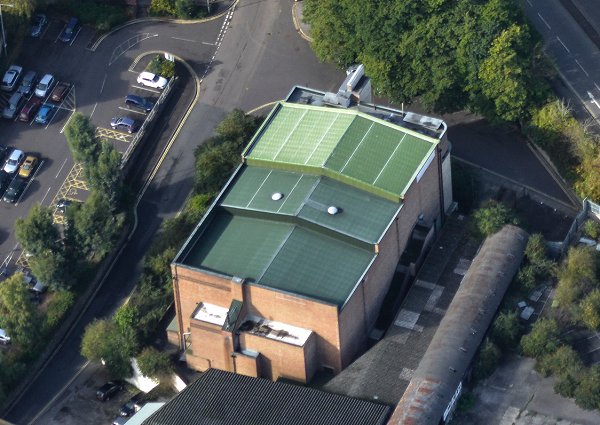
An aerial view of the Odeon building taken around 2005.
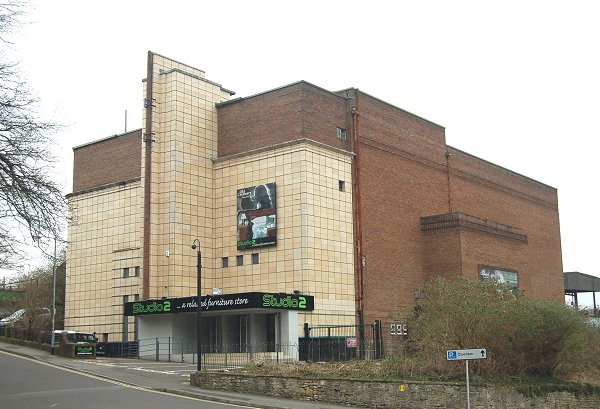
The Odeon cinema photographed in 2013. Now a bedding shop.
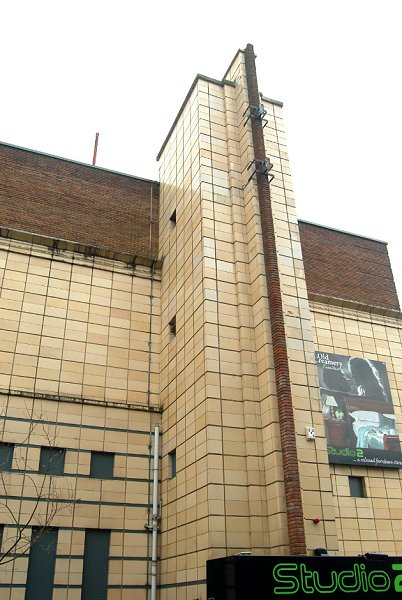
The front tower photographed in 2013.
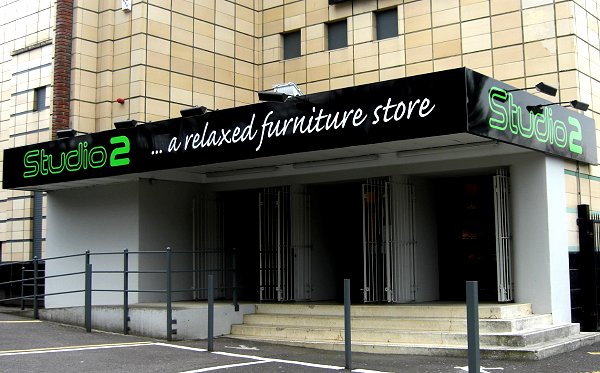
The main entrance. The last time I queued here was to see 'Titanic' in 1997.
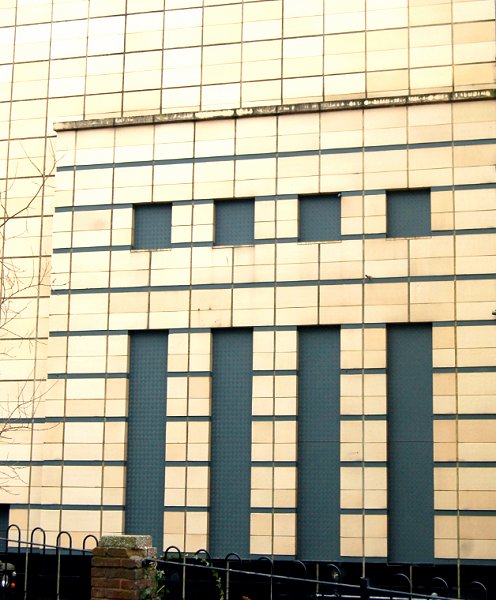
Detail photograph of the buff-coloured faience cladding tiles. The green squares and rectangles are windows.
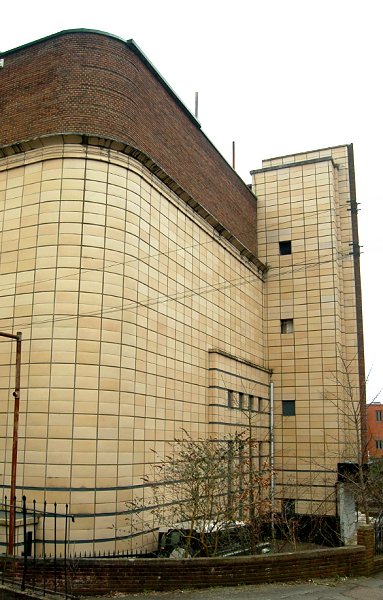
Detail photograph of the front elevation of the cinema seen from the top of Court Ash Terrace, close to Reckleford, showing the curved northwest corner.
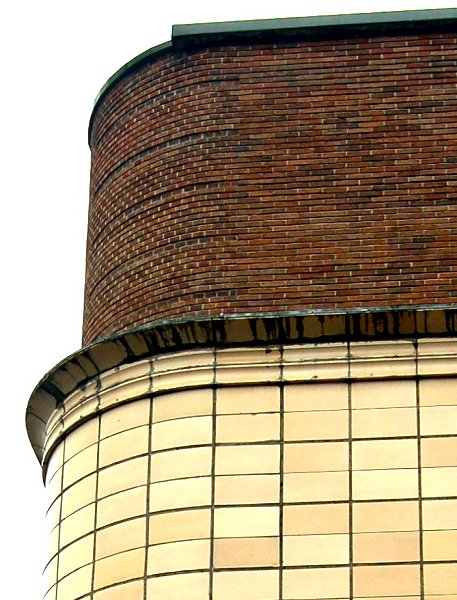
This detail photograph shows the attention paid to the brickwork and the specially-made faience tiles and tiles coping.
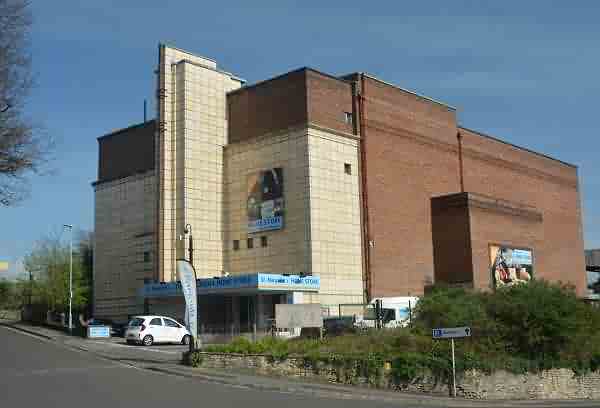
This photograph
features in my
book "Yeovil
In 50 Buildings"
The Odeon cinema is now a furniture outlet in aid of St Margaret's Hospice.
This photograph
features in my
book "Yeovil
In 50 Buildings"
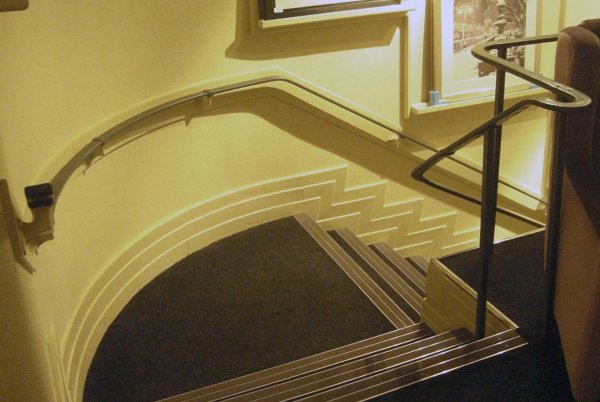
Art Deco styling to a staircase. Photographed in 2017.
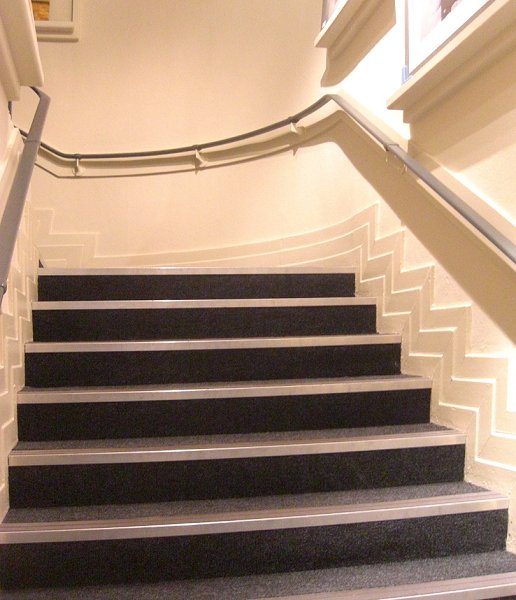
Photograph of the Art Deco detailing to the curved stairwell. Photographed in 2013.
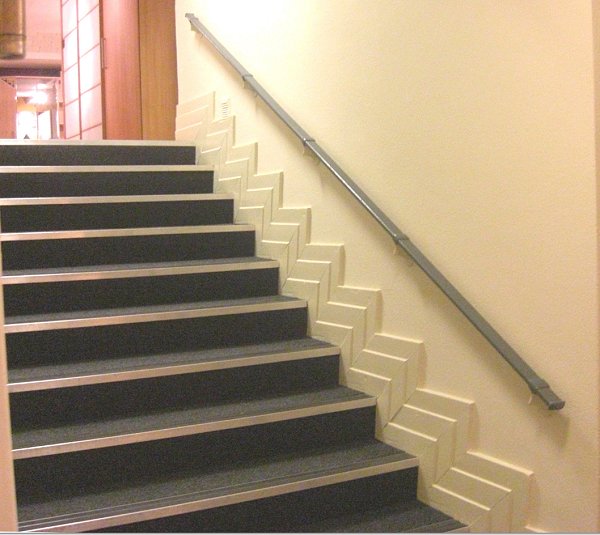
.... and a similar straight flight of stairs with similar Art Deco styling.
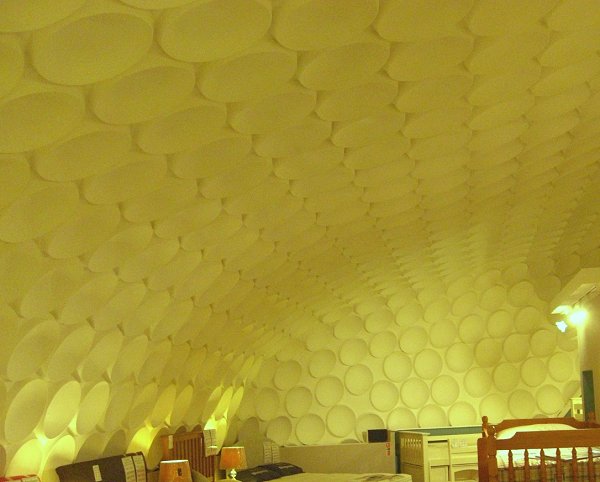
The ceiling that was originally above the proscenium arch, formed from a honeycomb of small, circular plaster plates - originally painted gold and lit by a concealed three-colour Holophane lighting system.